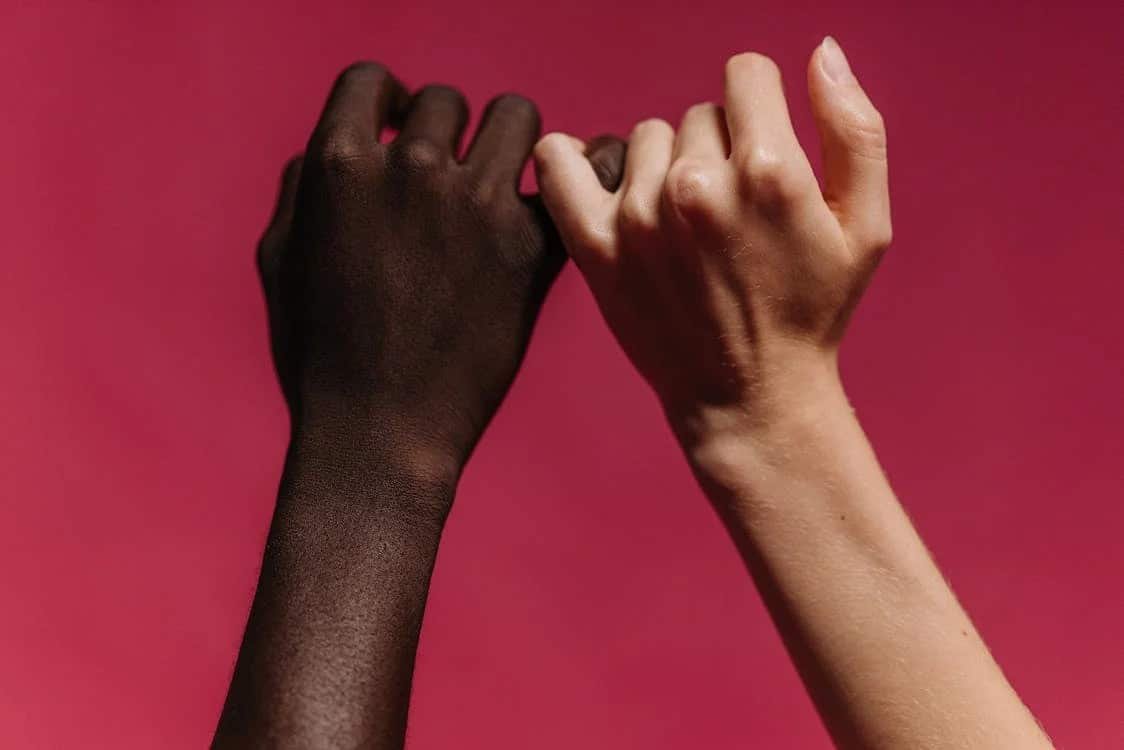
People in non-traditional relationships often face misunderstanding, judgment, or hostility, which leads to chronic stress or the decision to adopt a different lifestyle. Surveys on non-monogamous relationships have found that the fear of judgment often leads to people hiding their relationship status, which can cause feelings of shame and isolation.
Many people avoid seeking therapy due to fears of being misunderstood or judged by healthcare providers. In fact, a large number of mental health professionals lack adequate training to handle relationship diversity, leaving their clients feeling unsupported.
The stigmas are compounded for people who are also part of sexual or racial minority groups, exacerbating mental health struggles. For instance, LGBTQ+ individuals in non-monogamous relationships frequently experience compounded stigma, worsening feelings of marginalization.
Despite these struggles, a lot of people in unconventional relationships become resilient after finding supportive communities in person or online. Peer support groups and like-minded individuals provide a safe space to combat stigmas and share experiences without judgment. In addition, soft swinging practices can segue into ethical nonmonogamy communities.
How to feel more accepted in an unconventional relationship
Those who have decided to seek therapy should turn to mental health professionals trained in relationship diversity. Directories like the PolyFriendly Professionals Directory or LGBTQ+-friendly directories can help.
Reaffirm the validity of your relationship choices through self-reflection, journaling, or meditation. There is growing scientific support for the view that nonmonogamy may be more natural than monogamy. In 2024, The Guardian reported that over 30% of heterosexual men were open to having more than one partner or spouse, compared to 11% of women. Other studies have found that 20% of people in Canada and the US have had experience with non-monogamy. Fewer than a third (29%) of primate species are monogamous, with lifelong monogamy being extremely rare.
It goes without saying that you should avoid interactions with people or environments that are openly hostile to your relationship style. In a safe or neutral space, sharing your story can help normalize non-traditional relationships. However, you should be prepared for common questions or misconceptions, such as the difference between polygamy and polyamory or assumptions about commitment and jealousy. Start with people you trust and who are less likely to judge harshly, like close friends or supportive family members. Present your lifestyle as a personal choice rather than feeling the need to justify it. Use positive framing to express why it works for you and your partners.
Role models and media representation
Representation in media (books, films, blogs) can affirm your relationship choices and provide inspiration for navigating challenges. You could also learn from advocates and educators in the field who promote understanding of non-traditional relationships.
Why are people judgmental?
When judging people prompts growth and self-reflection, it can be a gift, but it’s not when others suffer. Cultural stigma continues to affect mental health outcomes significantly. Depression affects about 280 million people worldwide, and cultural stigma causes further harm by exacerbating symptoms, discouraging treatment, and increasing social isolation. Promoting awareness through inclusion and diversity and culturally sensitive mental health interventions are examples of efforts to address these challenges.
People judge those around them as a natural cognitive process impacted by personal experiences, social norms, and psychological biases. Judgment often stems from a need to establish a social hierarchy, assess threats, or reinforce one’s own values and beliefs. Judgment can be a shortcut for comprehending and navigating complicated social settings.
Projection is a common cause of judgment. People have a hard time with qualities and aspects in others that they have not accepted in themselves. Suppose one has not accepted their own desire for an alternative relationship structure. In that case, they will notice people in such relationships in the media or even in their social circles and struggle to accept them, their beliefs, and their lifestyles.