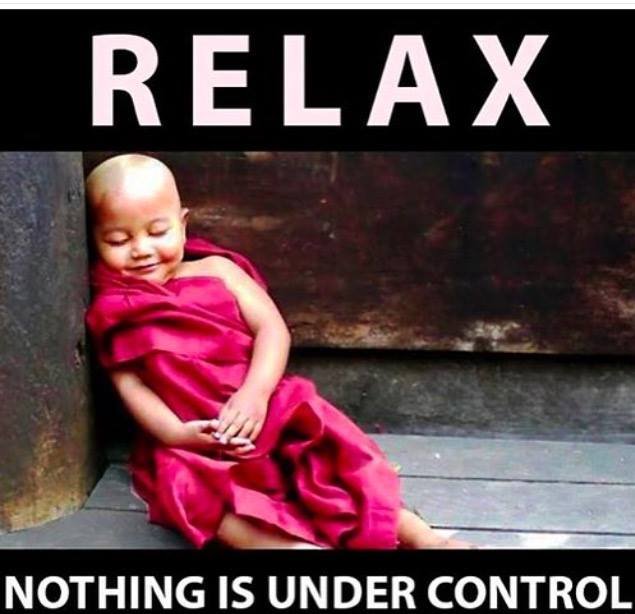
We need HOPE.
To avoid debilitating the human spirit, a barrage of bad news must be tempered with at least a modicum of hope, of optimism that things can be turned for the better and that through effort and teamwork, people can drive positive change.
The doom-and-gloom headlines of the past several months have reminded me of a poignant phrase used by an executive I was interviewing for a client project. In spite of its high-quality products, the company was rapidly losing market share to foreign manufacturers who were commoditizing the technology on which my client had built its reputation as an industry leader.
The project objective was to evaluate the readiness of the company’s workforce for transformational changes. Specifically, management had to reduce labor costs and de-liberalize work rules, which was very bad news for workers who were accustomed to the highest hourly rates in the industry, plus unbridled overtime premium pay.
As we started the interview, the executive seemed preoccupied and tired. At first, I thought it reflected the angst the entire organization was experiencing. But as we spoke, it became clear that this executive was utterly demoralized, a level of misery summed up in a single phrase:
“Everything is broken, all at the same time.”
I recall that apt description of systemic meltdown daily in this age of nano-second news flashes. Both domestically and internationally, at virtually all levels, everything seems to be broken, all at the same time. Events that once were defined and managed on a local, regional, or national level are now borderless and much more complex. The situation in the Middle East seems insoluble. Japan struggles to recover in the wake of historic natural and man-made devastation.
World markets are in a state of perpetual volatility, and governments everywhere are grappling with impending financial insolvency. Mobilized by social media, hundreds of thousands of people take to the streets demanding freedom and social justice, from the capitol building in Wisconsin to the tony streets of London and a public square in Yemen. Most major institutions, weakened by scandal and corruption, are viewed with contempt and cynicism.
Our political system has degenerated to sophomoric vitriol and endless jousting by entrenched reactionaries and emboldened reformers. Not since the Great Depression has the country’s mood been so gloomy. Everything is broken all at once.
In times of rapid change, people yearn for leadership they can trust and in whom they can have confidence. Leadership that is able to speak to all sides of an issue and negotiate a compromise that is optimally acceptable. Although technology and social media continue to change the way we communicate, the process of leadership communication and the requisite qualities are immutable.
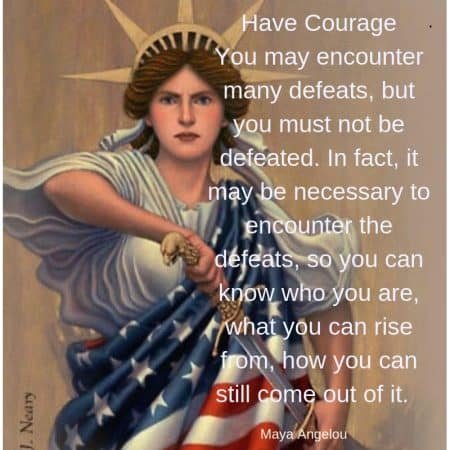
1. Courage – Establish the need for change in unvarnished language and describe the consequences of not taking action, whether unpopular or discomforting. True leaders know that no amount of parsing can alter the truth. Most people have an uncanny ability to see through deception.
2. Agility—Explain the alternatives and the likely outcomes of each option. Although exhibiting single-mindedness is important, leaders must also remain open to what theorist Stuart Kauffmann calls the “adjacent possible” to push beyond the obvious.
3. Persuasiveness – Focus on how the selected option or combination of options meets the interests of all stakeholders. Leaders know that all parties have to walk away from the negotiating table with something.
4. Consistency – Leadership communication is hollow rhetoric unless actions match the leader’s words. Leaders know their supporters are scrutinizing them for signs of strength and steadfastness and by opponents for signs of weakness and indecision.
5. Tenacity—Report at regular intervals, good or bad. By candidly sharing information, leaders create an expectation of continuous communication. Leaders must remember that when people don’t feel they are being informed, they fill the void with conjecture, most of which is wrong and far worse than reality.
Effective leadership communication cannot change the unpleasantness of bad news, but it can help foster an environment where shared sacrifice and joint problem-solving can pay off, even when everything seems to be broken simultaneously.
Read more about hope in GRAND here.