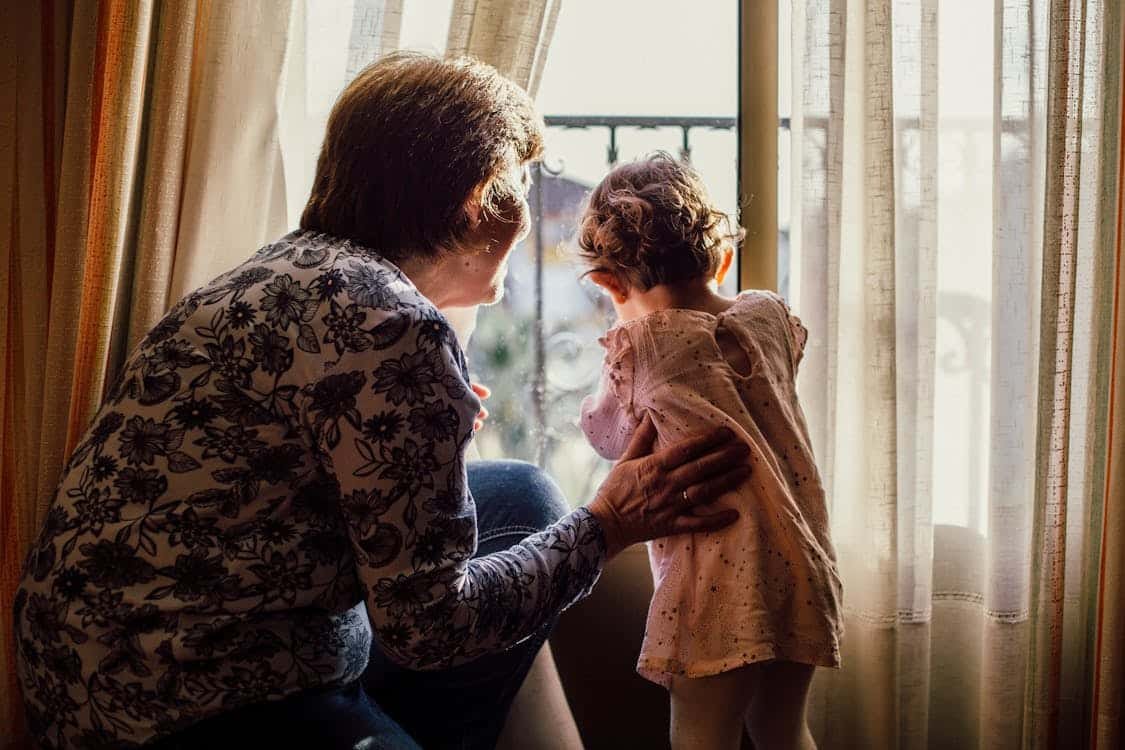
Being a grandparent today isn’t quite what it used to be. Grandparents are increasingly taking on regular childcare responsibilities, making the role more demanding yet potentially more rewarding. If you’re a grandparent stepping into a caregiving role, finding that sweet spot between joyful involvement and self-care is key to making it work for everyone involved.
The grandparent-grandchild dynamic has shifted dramatically in recent years. Many grandparents have become primary caregivers for their grandkids as childcare costs continue rising and more parents work full-time. This change reflects our modern reality, where grandparents often become essential partners in family care arrangements.
The physical and mental rewards of active grandparenting
Active grandparenting can boost both physical and mental health when balanced with proper self-care. Regular interaction with grandkids helps keep the mind sharp and spirits high. Similar to healthcare professionals completing an AGACNP program, think of it as a natural workout program – chasing after energetic little ones can improve mobility and strength in ways that feel more fun than hitting the gym.
Research has shown that grandparents who regularly engage with their grandchildren experience lower rates of depression and report higher levels of life satisfaction. The cognitive stimulation from teaching, playing games and helping with homework keeps neural pathways active and may help reduce the risk of cognitive decline.
Additionally, the emotional bonds formed through active grandparenting release beneficial hormones like oxytocin and serotonin, contributing to better overall mental health and emotional well-being. The intergenerational benefits extend beyond just the grandparents themselves.
Studies have shown that children who have strong relationships with their grandparents demonstrate better emotional regulation, stronger social skills and a more developed sense of family history and cultural identity.
This reciprocal relationship creates a unique learning environment where both generations can grow and develop together, fostering a deeper understanding between different age groups and creating lasting family bonds that span decades.
Recognizing the signs of overextension
While grandparenting can be a joy, it’s important to recognize when you might be pushing too hard. Many grandparent caregivers experience physical strain from their duties.
Watch out for red flags like constant tiredness, trouble sleeping, skipped doctor appointments, or feeling more anxious or irritable than usual. These aren’t just minor inconveniences – they’re your body’s way of saying it’s time to adjust the balance.
Beyond physical symptoms, emotional and social indicators can also signal that you’re taking on too much. If you find yourself consistently canceling social engagements, losing interest in previously enjoyed hobbies, or feeling resentful about caregiving responsibilities, it’s time to reassess your commitments.
Keep in mind that maintaining your own identity outside of grandparenting is crucial for long-term emotional health and sustainable caregiving.
Creating sustainable caregiving routines
Think of sustainable grandparenting like training for a marathon rather than a sprint. Maintaining your own exercise routine, keeping up friendships outside the family and ensuring adequate rest are essential practices.
Clear communication with adult children about limits and availability helps prevent burnout while keeping family relationships healthy. Setting boundaries and maintaining personal time are crucial elements of long-term caregiving success.
Implementing a structured schedule can make caregiving duties more manageable while preserving personal time. Consider creating a weekly calendar that blocks out specific times for grandchild care, personal appointments, exercise, and leisure activities.
This approach helps prevent the common pattern of caregiving responsibilities from gradually expanding to fill all available time. Don’t forget to schedule regular breaks – even short periods of respite can help maintain energy levels and enthusiasm for caregiving.
Resources and professional support systems
Your healthcare team should be your partner in this journey. Regular check-ups and preventive care become even more crucial when caring for little ones. Staying in touch with healthcare providers and being upfront about caregiving challenges helps maintain both your health and caregiving ability. Support groups and community resources provide valuable practical advice and understanding from others in similar situations.
Balancing your grandparent role with your own well-being isn’t about perfect performance – it’s about finding what works sustainably for you. Successful grandparenting means taking care of yourself while caring for others.
By maintaining your health and knowing when to ask for help, you can continue being that awesome grandparent your family needs while staying healthy and happy yourself. Remember that self-care isn’t selfish – it’s essential for providing the best care possible for your grandchildren.
Technology can be a valuable ally in managing grandparent caregiving responsibilities. Various apps and online platforms now offer tools for scheduling, activity planning, and connecting with other grandparent caregivers. Local senior centers and community organizations often provide specialized programs and workshops designed specifically for grandparent caregivers, offering both educational resources and opportunities for social connection with peers facing similar challenges.