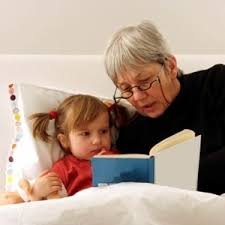
Being a Grandparent Is Not Always Rosy
A friend just forwarded this article from The Atlantic to me and I just had to share. There is a lot of information being written about Grandfamilies now, more than ever, but still not enough.
The Age of Grandparents Is Made of Many Tragedies
The proportion of children living in “grandfamilies” has doubled in the U.S. since 1970—and the reasons are often sad ones.
By Robin Marantz Henig
When Barb’s son showed up at her house with his daughter Avery, 2, on a frigid night in February, it was long past the toddler’s bedtime. So Barb (who asked me to use only first or middle names for her and her family) hustled them inside and set them both up in the guest room. The next day, Valentine’s Day, she searched Craigslist and found a used crib for her granddaughter. She thought the arrangement was temporary.
“No one expects to spend their retirement raising a child,” said Barb, a former teacher. “It changes everything. Your life is turned upside down.” But she’s not complaining. Sure, she can’t travel as much as she’d hoped to, and she has no social life; all activities revolve around Avery, now 8, and the other kids’ mothers aren’t really friend material for Barb. But she gets great joy from being with her granddaughter. “I really think of her as my third child,” she told me. This time around, though, “I have learned not to sweat the small stuff,” she said. She doesn’t stress out about Avery’s test scores, or about the “little-girl drama” of third-grade cliques. Instead, she focuses on giving Avery love, stability, and the skills to fight her own battles.
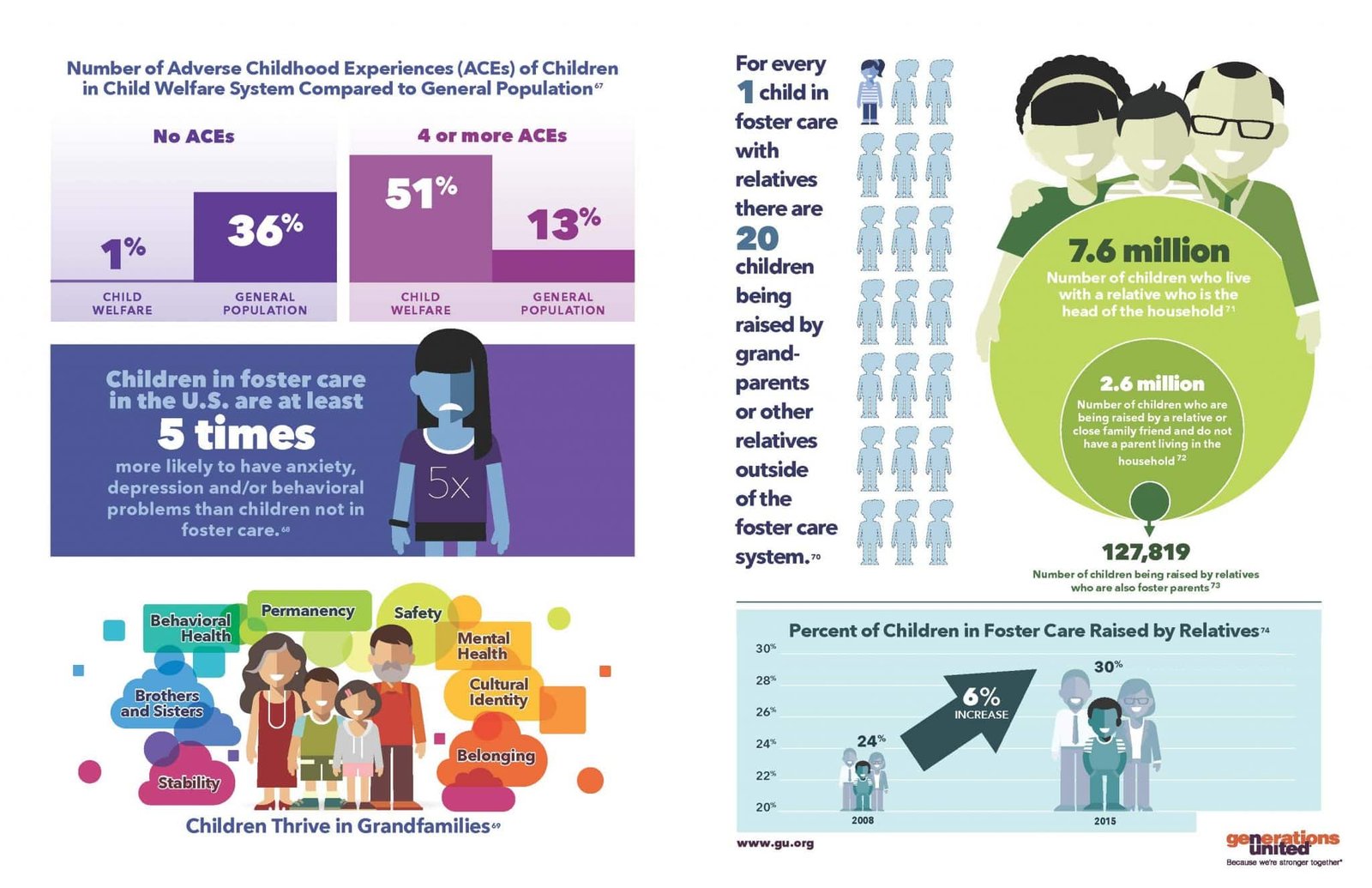
According to the Centers for Disease Control, about 3 percent of children nationwide live apart from their parents, and of those, nearly two-thirds are being raised by grandparents. Some 2.6 million grandparents are raising their grandchildren, either because of a temporary change in circumstance for the parents, such as military deployment or joblessness, or something more lasting and terrible: mental illness, divorce, incarceration, death, or, as in Barb and Fran’s case, substance abuse.
Still, there are unexpected rewards. Some grandparents say they feel younger because of being involved again in the day-to-day lives of children, running to after-school activities, or reading Harry Potter and teen magazines to keep current. They also have a renewed sense of purpose, at just the time of life when their age-mates report feeling less and less necessary. The kids can benefit, too; according to some studies, children raised by their grandparents have fewer behavioral problems than those who end up in foster care with non-relatives, though perhaps there was something that set apart those kids and families in the first place.
Becoming a licensed foster parent might not even be an option for everyone, Beltran said, since to be eligible for licensing, the grandchild must have come to the grandparent’s home by way of a child-welfare agency. But many grandchildren arrive the way Barb’s did—late at night, without much prior warning, dropped off by a parent who eventually leaves.